Necva Taştan Sevinç
22 July 2026•Update: 22 July 2026
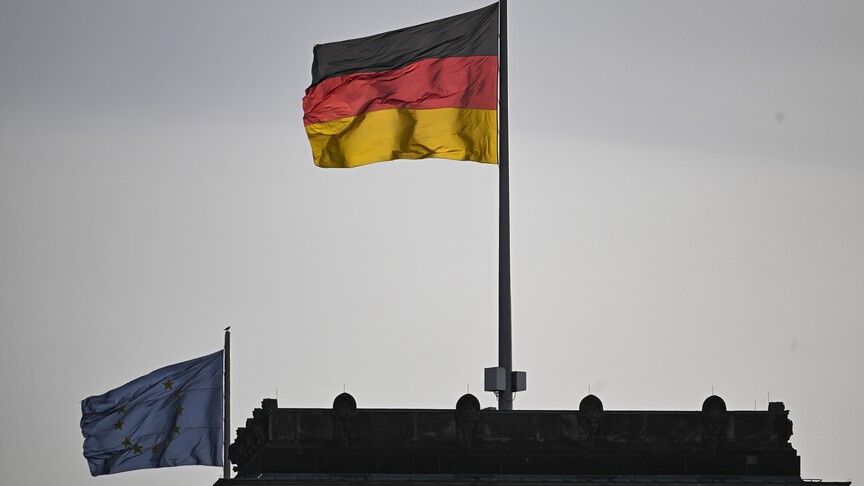
German authorities have approved a controversial project allowing a subsidiary of French nuclear company Framatome to manufacture Russian-designed nuclear fuel in cooperation with Russia’s state-owned Rosatom, French media reported Wednesday.
The Environment Ministry of the northwestern state of Lower Saxony authorized Advanced Nuclear Fuels (ANF) to expand production at its plant in Lingen, according to French broadcaster BFMTV.
The project aims to supply fuel to Soviet- and Russian-designed nuclear power plants still operating in Central and Eastern Europe, the report said, adding that it will involve Russian equipment and experts.
The ministry said the authorization could be reviewed “if new risks were to be identified,” particularly regarding national security.
It said it had repeatedly “expressed reservations” about the project because of Russia’s war against Ukraine.
The ministry described the case as “unique” because “the Russian state is waging a war of aggression in Europe, contrary to international law, and considers the European Union, and Germany in particular, as adversaries.”
However, the ministry said it lacked the legal grounds to block the project, arguing that such action would require EU-level sanctions covering Russia’s civilian nuclear sector.
Advanced Nuclear Fuels submitted its application in March 2022, shortly after Russia launched its war against Ukraine.
The proposal faced strong political opposition, particularly from Germany’s Greens.
A new security assessment focusing on Russian involvement played a decisive role in finalizing the authorization, according to the report.
French President Emmanuel Macron also discussed the issue with German Chancellor Friedrich Merz, according to Politico.
Germany’s federal Environment Ministry said authorities were legally required to issue the permit when all necessary conditions were met and identified risks could be sufficiently controlled.
The EU has imposed extensive sanctions on Russian oil and gas, but member states have maintained cooperation with Moscow in civilian nuclear energy because of limited alternatives.
Several Central and Eastern European countries, along with Finland, continue to operate Soviet-designed reactors requiring compatible fuel.
Russia also maintains a significant position in the global uranium supply chain through its reserves and interests in uranium-producing countries, including Kazakhstan.