Jo Harper
19 August 2026•Update: 19 August 2026
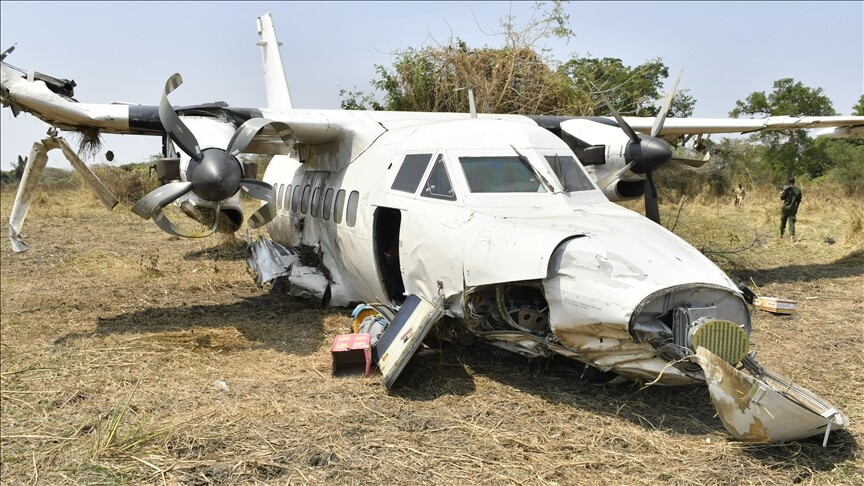
Warsaw has sharply scaled back diplomatic efforts to recover the wreckage of the presidential plane that crashed in Russia 16 years ago, Polish media reported Wednesday.
The 2010 Smolensk air disaster killed all 96 people on board, including President Lech Kaczynski, his wife Maria, senior state officials and military commanders.
Since Prime Minister Donald Tusk’s governing coalition took office in December 2023, Warsaw has sent Moscow only one diplomatic note demanding the wreckage’s return, Gazeta.pl reported, citing Poland’s Foreign Ministry.
The request was made in the first quarter of 2024 and received no response.
That marks a significant decline in diplomatic activity compared with previous years.
Between 2019 and 2023, during the previous Law and Justice (PiS) government, Poland sent eight diplomatic notes concerning the return of the aircraft. Russia replied to only one, reiterating its longstanding position that the wreckage could not be handed back because it remained evidence in its continuing criminal investigation into the disaster.
Poland’s National Prosecutor’s Office has similarly said Russia has repeatedly refused to return both the wreckage and the aircraft’s flight recorders until the Russian investigation is completed.
Polish requests for legal assistance in the broader Smolensk investigation have also gone unanswered or been rejected in a number of cases.
The present location and condition of the wreckage are also uncertain.
Polish Ambassador to Moscow Krzysztof Krajewski said in April that Polish officials were no longer being allowed access to the area at Smolensk North military airfield where the wreckage had previously been stored.
Relations between Warsaw and Moscow have deteriorated sharply since Russia launched its war with Ukraine in February 2022.
A Polish government aviation commission concluded in 2011 that the aircraft descended below the permitted minimum altitude in weather conditions that prevented visual contact with the ground and that the decision to abort the landing came too late.