Mucahithan Avcioglu
16 June 2026•Update: 16 June 2026
The Bank of Japan raised its benchmark interest rate by 25 basis points to 1% on Tuesday, marking the highest level in more than three decades as policymakers stepped up efforts to contain inflation and support the weakening yen.
The move, which was widely expected by markets, was the bank's first rate increase since December, when it lifted the policy rate to 0.75%, and brings borrowing costs to their highest level since 1995. The decision was approved by a 7-1 vote, with board member Toichiro Asada dissenting in favor of keeping rates unchanged.
In its policy statement, the central bank said it would continue reducing its purchases of Japanese government bonds (JGB) by 200 billion yen ($1.3 billion) per quarter before ending the tapering process and maintaining monthly purchases of 2 trillion yen from April 2027.
The bank said government measures aimed at easing the burden of higher energy costs had kept consumer inflation below its 2% target.
However, it warned that rising crude oil prices were increasingly feeding through to business costs and could eventually push up a broader range of consumer prices.
“Price pass-through stemming from the rise in crude oil prices has been progressing at a relatively fast pace in business-to-business transactions, which could spread to an increase in consumer prices across a wide range of items,” the bank said.
Producer index rises
Japan’s producer price index rose 6.3% year-on-year in May, its fastest pace in more than three years, largely driven by higher energy prices.
The rate hike also comes as Japanese authorities grapple with persistent weakness in the yen, which recently hovered around the 160-per-dollar level despite large-scale currency intervention by the government.
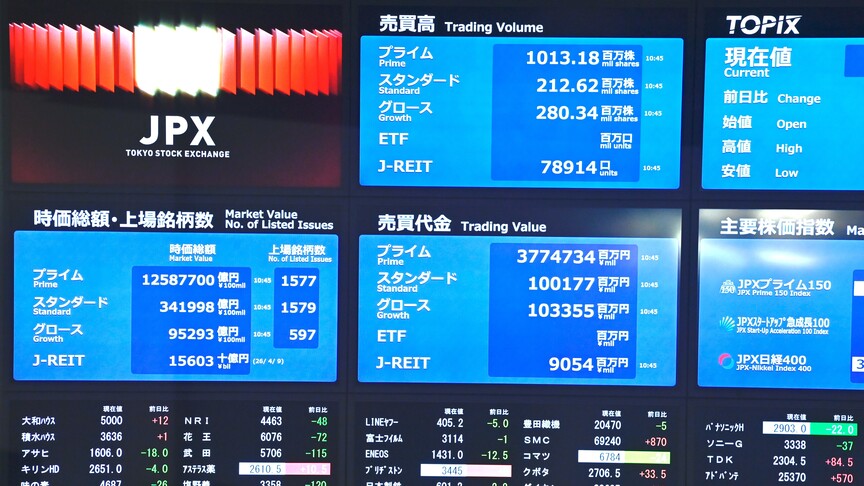
Following the bank's announcement, the benchmark Nikkei 225 stock index rose 0.46%, while the yen strengthened slightly to around 160.2 against the US dollar.
Yields on 10-year Japanese government bonds climbed about 3 basis points to 2.615%.
The bank accelerated its policy normalization process after ending its long-running negative interest rate policy in 2024.
Analysts said easing concerns over energy supply disruptions and expectations of the reopening of the Strait of Hormuz also provided policymakers with greater confidence to proceed with further tightening.
Although Japan’s core and headline inflation rates slowed to 1.4% in April, remaining below the bank's 2% target for a fourth consecutive month, economists say government subsidies and tax relief measures have temporarily masked underlying price pressures.