06 January 2016•Update: 07 January 2016
ANKARA
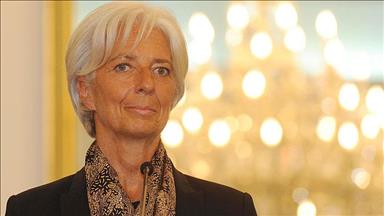
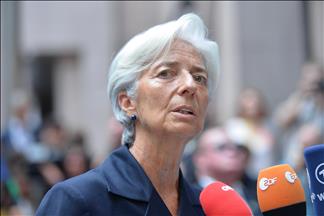
Nigeria is facing massive pressures and challenging prospects, particularly because of the country's dependence on oil revenue, International Monetary Fund Managing Director Christine Lagarde said in a speech to the Nigerian parliament Wednesday.
"Already, lower oil prices have sharply reduced Nigeria’s export earnings and government revenues. Both are likely to remain at depressed levels, reducing the space for policy interventions to address Nigeria’s social and infrastructure needs," Lagarde said.
She pointed out that private sector investment will also suffer. "Investor confidence about the outlook has remained weak, and financing is likely to become more difficult and more costly for everyone. With U.S. interest rates expected to continue to rise, albeit slowly, the likelihood of capital outflows will increase, and exchange rate pressures could mount as investors re-assess their appetite for risk," she said.
Worse still, the outlook has weakened, Lagarde warned. She forecast Nigerian economic growth in 2015 at about 3.2 percent, its slowest pace since 1999, with only a modest recovery expected in 2016.
The non-oil corporate sector has more debt in dollars than in recent years, she said, and these companies may now come under pressure as they face rising interest rates and a stronger dollar.
"This means that hard decisions will need to be taken on revenue, expenditure, debt, and investment going forward," Lagarde said.
"The first step is to broaden the tax base and reduce leakages by improving compliance and enhancing collection efficiency. The second: Take careful decisions about borrowing," she said.
Nigeria must also initiate a package of policies, including flexible exchange rate and disciplined fiscal policies as well as implementing structural reforms, according to Lagarde.
The government must also act with resolve in fighting against corruption, she added.
By acting with resolve, resilience and restraint, Nigeria can face its challenges, she concluded.