Anadolu staff
23 June 2026•Update: 23 June 2026
Sri Lanka has deployed its military to assist in dengue-control operations amid a sharp rise in infections that has pushed daily hospital admissions above 1,000, local media reported Tuesday.
President Anura Kumara Dissanayake authorized the armed forces to support public health authorities in eliminating mosquito breeding grounds and strengthening prevention measures in areas hardest hit by the outbreak, according to local broadcaster Ada Derana.
On Monday, a high-level meeting, chaired by Health Minister Nalinda Jayatissa and Secretary to the President Nandika Sanath Kumanayake, decided key measures to control the outbreak.
The meeting decided to establish a monitoring unit, strengthen legal enforcement measures, and expand dengue prevention efforts through community empowerment and public safety committees already operating at the local level, according to a statement issued by the President's Office.
The intervention comes as health officials warn of a worsening dengue situation driven by seasonal rains and an increase in stagnant water, which provides ideal breeding conditions for Aedes mosquitoes, the primary carriers of the disease.
Hospitals across the country are now recording more than 1,000 dengue-related admissions daily, raising concerns about mounting pressure on Sri Lanka's healthcare system.
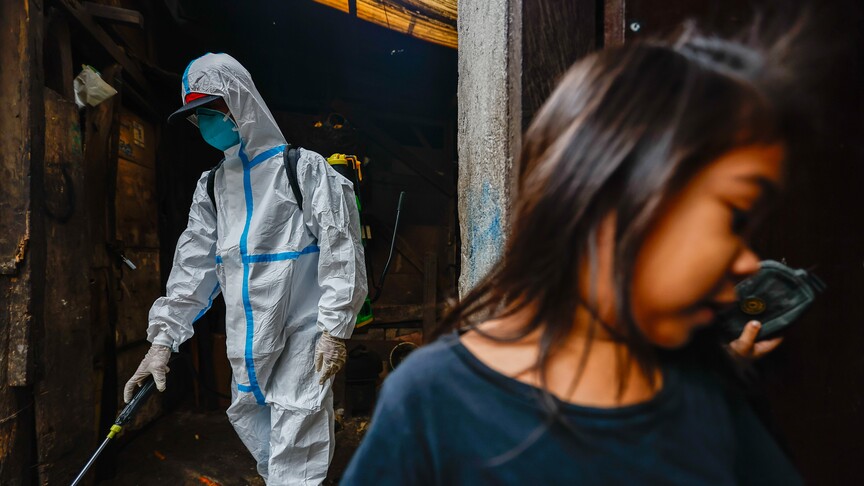
Military personnel will work alongside public health inspectors, local authorities and community volunteers to identify and destroy mosquito breeding sites, participate in cleanup campaigns and assist with public awareness efforts.
Authorities have urged residents to regularly inspect homes, schools and workplaces for standing water and take preventive measures to reduce mosquito populations.
Dengue fever remains a recurring public health challenge in Sri Lanka, particularly during periods of heavy rainfall. Symptoms include high fever, headaches, muscle and joint pain, while severe cases can lead to potentially fatal complications.
Officials said the government would continue monitoring the outbreak and could expand response measures if infections continue to climb.