Amir Latif Arain
01 July 2026•Update: 01 July 2026
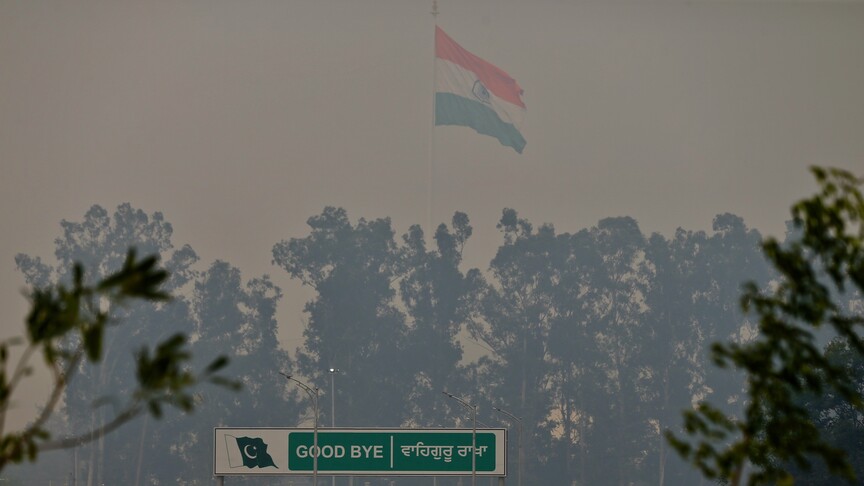
Pakistan and India on Wednesday exchanged lists of prisoners in each other's custody “through diplomatic channels” amid renewed calls for dialogue to resolve longstanding disputes between the two countries.
Pakistan handed a list of 250 Indian nationals held in the country -- 52 civilian prisoners and 198 fishermen -- to the Indian High Commission in Islamabad, according to a statement from Pakistan’s Foreign Ministry.
At the same time, India shared a list of 439 Pakistani or "believed-to-be-Pakistani" prisoners in Indian jails, including 386 civilian prisoners and 53 fishermen.
Under a bilateral agreement signed in May 2008, the two sides exchange prisoner lists on Jan. 1 and July 1 each year.
Pakistan also called on India to release and repatriate 97 Pakistani prisoners -- 64 civilians and 33 fishermen -- who have completed their sentences and whose nationality has been verified.
The exchange came days after Islamabad renewed its call for dialogue to resolve all outstanding issues, including the Indus Waters Treaty (IWT), which has further strained already tense relations between the nuclear-armed neighbors.
Addressing an international seminar on the IWT in Islamabad on Tuesday, Foreign Minister Ishaq Dar urged India to "live like good neighbors" and resolve all disputes through dialogue and diplomacy.
Dar also called on New Delhi to "immediately" restore implementation of the treaty in line with its international obligations.
India did not immediately respond to Pakistan's call.
Separately, more than 100 civil society representatives from Pakistan and India jointly appealed to the two prime ministers to take “meaningful and sustained” steps to restore peace, dialogue and cooperation in South Asia.
They called for the restoration of full diplomatic relations, the return of high commissioners to New Delhi and Islamabad, the resumption of normal visa services for citizens of both countries and an end to "continued hostility."
Excerpts of the letter were published by India's Indian Express and Pakistan's Dawn newspapers.
Senior Kashmiri leader Mirwaiz Umar Farooq also called for "meaningful" engagement between India and Pakistan, arguing that if the US and Iran can engage in talks despite tensions, Islamabad and New Delhi should also resume dialogue to resolve their disputes, including the Kashmir issue.
In April last year, India placed the Indus Waters Treaty in abeyance following an attack in Pahalgam in Indian-administered Kashmir that killed 26 people, blaming Pakistan for the assault. Islamabad denied the allegation, and the two nuclear-armed neighbors later engaged in four days of hostilities before agreeing to a ceasefire in May.