

With Venezuela still reeling from the grief caused by the powerful double earthquake that struck the country on Wednesday, claiming at least 920 lives, citizens are taking to the streets to help their fellow countrymen.
The two tremors measured 7.2 and 7.5 on the Richter scale and hit less than a minute apart, bringing buildings down and sending residents fleeing. In addition to the fatalities, some 3,360 people have been injured and 30,000 displaced, according to officials, though the number of casualties is expected to rise.
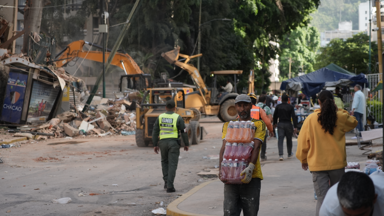
On the main avenues of the Venezuelan capital Caracas, motorcycles and trucks transported loads of bottled water, food, blankets, mattresses, and pillows to victims of the disaster.
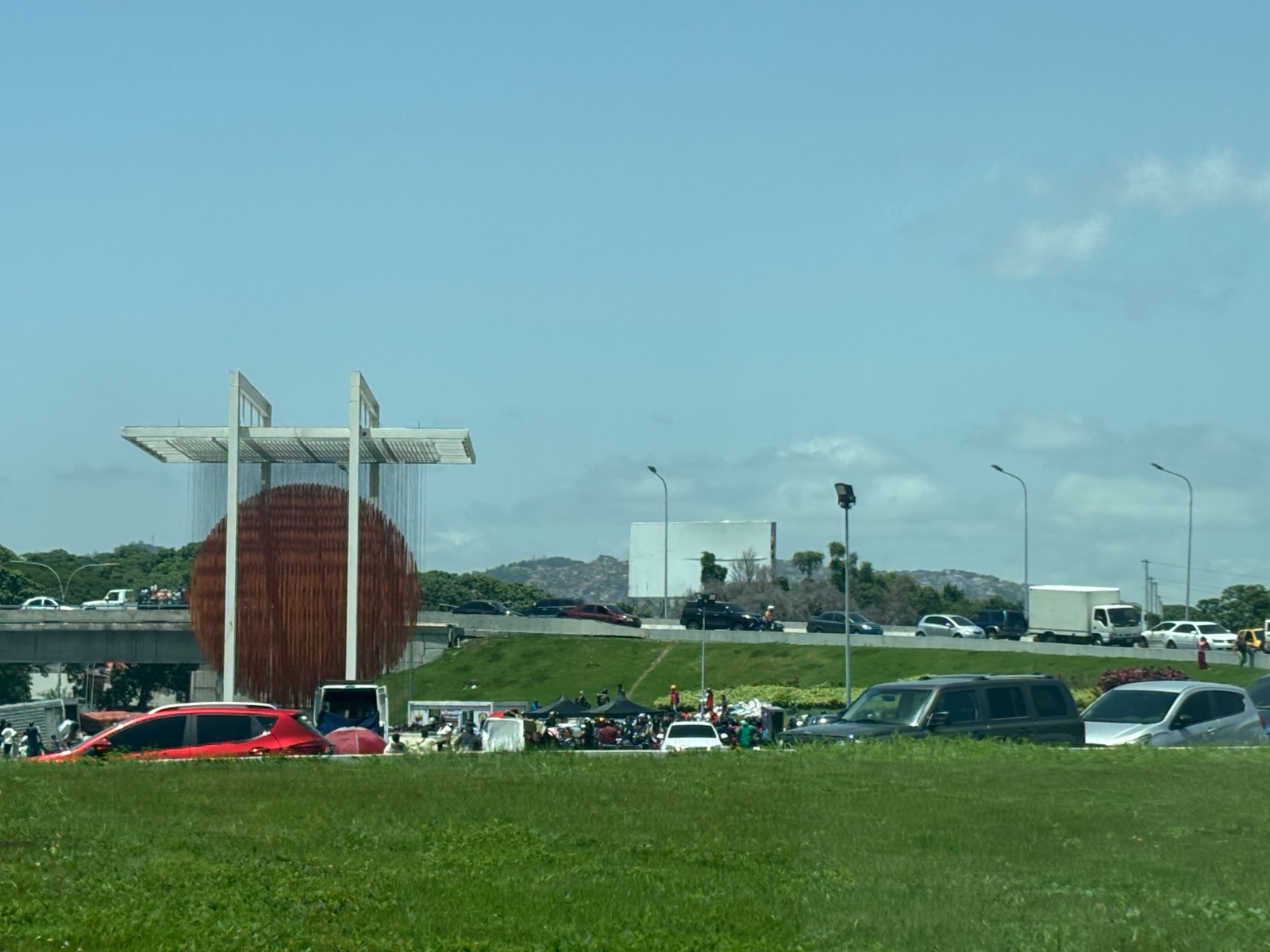
At the Esfera de Soto, an iconic sculpture and landmark, crowds gathered to collect supplies and later deliver them to those most affected.
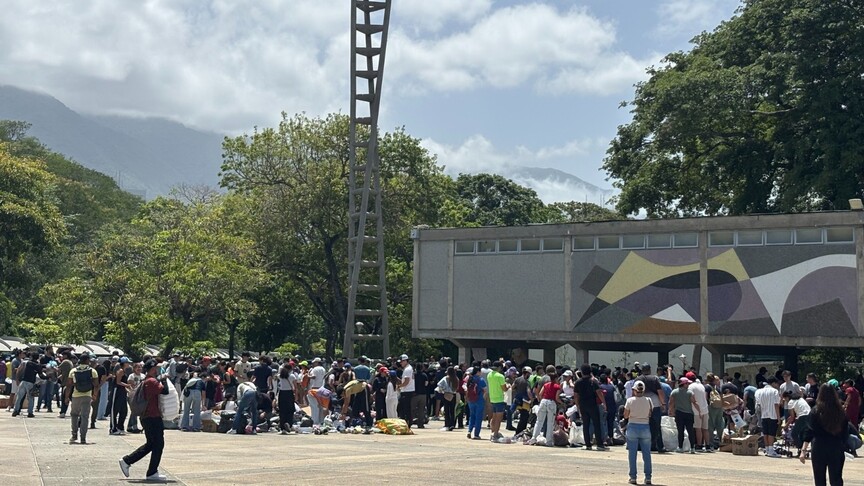
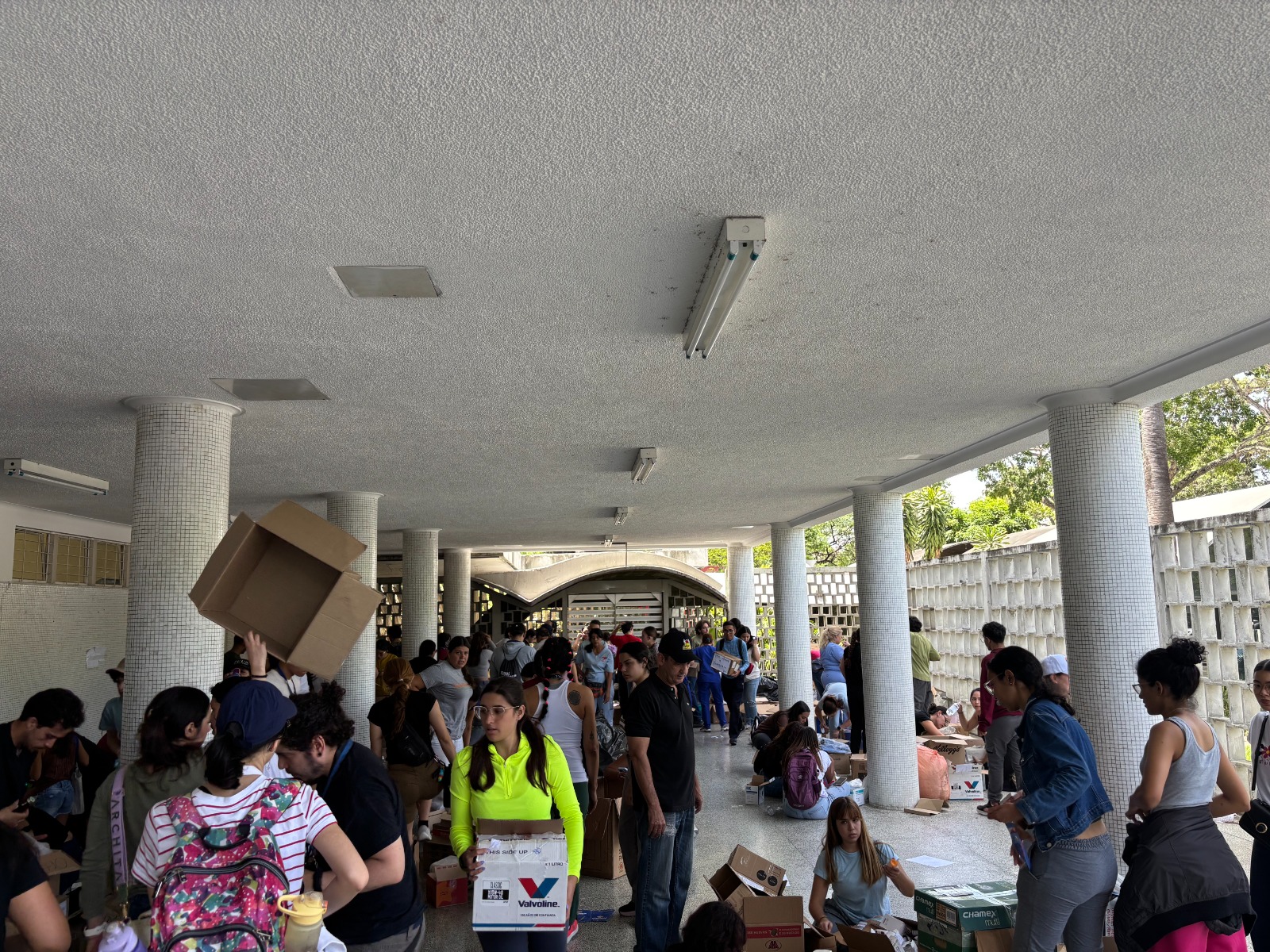
At the Central University of Venezuela, the country’s leading institution of higher education, another collection center was set up, with people carrying food and water or sorting clothing to pack it up for transport.
Many of the supplies were heading to La Guaira, the state hardest hit by the earthquake, where 346 buildings were damaged, 250 of them residential, according to Jorge Rodriguez, the head of Venezuela's National Assembly.
At the Central University of Venezuela’s Institute of Tropical Medicine, volunteers collected and packed medicines to be sent to areas where there are victims or injured people.
“We’re organizing the supplies, sorting them, and coordinating with motorcyclists, trucks, and everyone who’s pitching in to deliver items to hospitals, to La Guaira, and to the places that need these supplies,” said Yorgelis Garcia, a 25-year-old student.
“There are many people who have lost their homes and have nothing. Knowing that I’m okay, but others aren’t, drives me to want them to be a little better off,” she added.
Garcia also urged Venezuelans to help with the effort.
Another volunteer, sociology student David Rivero, described the collective effort by people helping to organize assistance.
“Volunteers keep coming, willing to help us rebuild after a crisis we couldn’t stop or control, but thank God, it’s in times of crisis that Venezuelans come together the most and are most eager to help and work for the country,” he said.
The student said his heart is filled with joy because he has visited several areas that have been destroyed, and is proud to see how people are helping.
“There are many people camping out on the streets, but beyond that, you could see Venezuelans’ desire to help one another. Even though people say that Venezuelans like to hurt one another, they really do support each other no matter what’s happening,” he told Anadolu.
But Rivero added that they still do not have enough water and non-perishable food to support many of the communities that remain without basic services or have been destroyed.
The government has also faced criticism for the delay in providing aid to those who need it most. Residents of areas such as hard-hit La Guaira have reported feeling neglected due to the lack of support from the authorities. The lack of adequate equipment for debris removal has heightened concerns about the recovery of potential survivors and bodies.
While volunteers mobilize to support survivors, the search also continues for thousands who are still missing. Organizations such as the UN estimate that 50,000 people are still unaccounted for, a number that could rise due to the threat of aftershocks in the country.
Given the magnitude of this tragedy, humanitarian aid delegations from at least 17 countries are in Venezuela working to assist survivors and recover bodies.
Türkiye has sent two military aircraft carrying search and rescue teams and humanitarian aid personnel to Venezuela, the Disaster and Emergency Management Authority (AFAD) said, in coordination with several government ministries.
An A-400M military transport aircraft was assigned to carry a 38-member AFAD search and rescue and humanitarian aid team, plus a five-member medical rescue team, a two-member Turkish Red Crescent humanitarian aid team, two search dogs, and three fully equipped search and rescue vehicles.